Understanding Mini Split AC Systems
Mini split air conditioners are becoming an increasingly popular choice for both homeowners and business owners seeking effective climate control solutions. These compact, energy-efficient systems provide exceptional flexibility in cooling and heating, making them ideal for a variety of spaces. Whether you're retrofitting an older home or building new, mini split AC systems can meet diverse needs while enhancing comfort and reducing energy costs.
When exploring options, mini split ac systems are an excellent choice due to their efficiency and versatility. This article will delve into the details of what mini split air conditioners are, their benefits, installation and maintenance tips, and the future trends in this innovative technology.
What is a Mini Split AC?
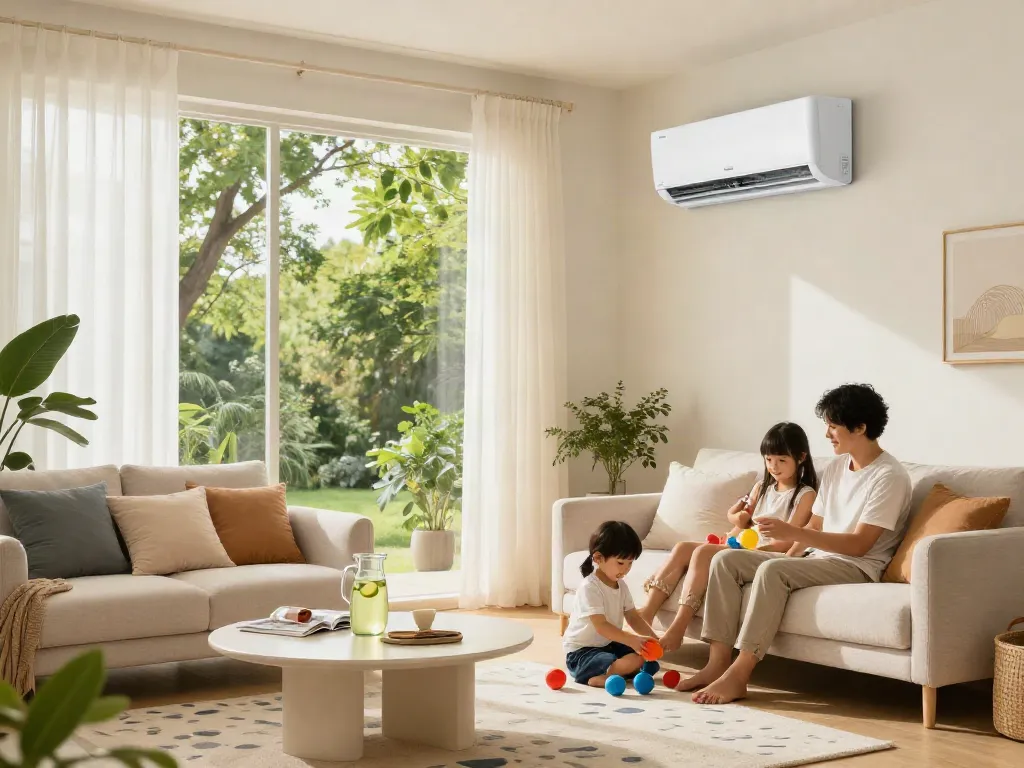
A mini split AC, also known as a ductless air conditioning system, consists of two main components: an outdoor compressor unit and one or more indoor air handling units. This configuration allows for efficient cooling and heating of individual rooms or zones, without the need for ductwork. The compressor is installed outside your home, while the indoor units can be mounted on walls or ceilings, maintaining a sleek appearance without extensive renovations.
These systems typically utilize inverter technology, allowing for variable speed operation that adjusts the cooling or heating output based on the room's temperature. This results in significant energy savings compared to traditional HVAC systems that operate at a constant speed.
Benefits of Mini Split AC for Homeowners
- Energy Efficiency: Mini split systems are known for their impressive energy performance. Many models boast SEER ratings higher than 20, meaning lower electricity bills and reduced carbon footprints.
- Zone Control: With the capability to install multiple indoor units that can be independently controlled, homeowners can optimize comfort in each room while minimizing energy waste.
- Easy Installation: The absence of ductwork makes the installation process quicker and less invasive, often requiring only a small hole for the refrigerant line.
- Heating Capability: Mini split units not only cool spaces but also provide heating through an energy-efficient heat pump system, making them suitable for year-round use.
- Improved Air Quality: Advanced filtration systems in mini splits can significantly reduce indoor pollutants, providing cleaner air for occupants.
Key Features to Look for in a Mini Split AC
When selecting a mini split AC, consider the following essential features:
- SEER Ratings: Higher Seasonal Energy Efficiency Ratio (SEER) ratings indicate better energy performance.
- Noise Levels: Look for models that operate quietly, especially for indoor units that affect living spaces.
- Remote Control Options: Many modern units offer smartphone compatibility for convenient operation and scheduling.
- Multi-Zone Capability: If cooling multiple rooms, ensure the system supports multiple indoor units.
- Warranty and Support: Choose brands that offer reliable warranties and customer support for peace of mind.
Installation and Maintenance Tips
Proper installation and regular maintenance are crucial for ensuring the longevity and efficiency of your mini split AC system. Here are several tips to consider:
Best Practices for Installing a Mini Split AC
To achieve optimal results when installing your mini split AC, follow these best practices:
- Professional Installation: While some homeowners choose DIY installation, hiring a certified HVAC technician can ensure that the system is correctly set up for maximum efficiency.
- Correct Placement: Position the indoor units in areas with good airflow and away from direct sunlight to enhance performance.
- Proper Refrigerant Charge: Ensure that the refrigerant is charged to the manufacturer's specifications during installation.
Common Installation Mistakes to Avoid
Even experienced installers can make mistakes. Here are common pitfalls to avoid:
- Improper Sizing: Make sure to select a unit that matches the size of the space to avoid inefficiency.
- Incorrect Line Set Length: Ensure the distance between the indoor and outdoor units adheres to manufacturer specifications.
- Neglecting Insulation: Properly insulate the refrigerant lines to prevent energy loss.
Maintenance Essentials for Longevity
Regular maintenance is essential for keeping your mini split AC running efficiently. Here are a few maintenance tips:
- Filter Cleaning: Clean or replace filters monthly to maintain airflow and efficiency.
- Annual Professional Tune-Up: Schedule yearly inspections and servicing with a qualified technician to address potential issues before they escalate.
- Inspect for Leaks: Regularly check refrigerant lines for leaks that could affect performance.
Comparing Mini Split AC Brands
With numerous brands in the market, selecting the best mini split AC can be challenging. Here’s how to compare different brands effectively:
Top Mini Split AC Brands in 2026
Some of the most reputable mini split AC brands include:
- Mitsubishi Electric: Known for their reliability and advanced technology.
- Daikin: Offers a variety of energy-efficient models for different applications.
- LG: Renowned for smart technology integration and user-friendly controls.
- Senville: Popular for affordability and solid performance.
- Pioneer: Known for its budget-friendly options without compromising quality.
Customer Reviews: What to Expect
When choosing a mini split system, reading customer reviews can provide invaluable insights. Look for feedback regarding:
- Ease of installation
- Overall performance, including cooling and heating efficiency
- Noise levels during operation
- Customer service experiences with the brand
Price Ranges and Budgeting for Mini Splits
The price of mini split AC systems can vary widely, depending on the brand, features, and installation costs. On average, homeowners can expect to pay between $2,000 and $5,000 for complete systems, including professional installation. Be sure to budget for:
- The cost of the unit itself
- Installation fees
- Upkeep and potential repairs down the line
Energy Efficiency and Cost Savings
When it comes to home comfort, energy efficiency is a key factor. Understanding how mini split AC systems enhance energy savings can help homeowners make informed decisions.
Understanding SEER Ratings
The SEER rating, or Seasonal Energy Efficiency Ratio, measures the cooling output of an air conditioning system over a season divided by the total electric energy input during that same time. Higher SEER ratings indicate better efficiency. For example, a unit with a SEER of 20 uses significantly less power than a unit with a SEER of 13.
Calculating Potential Savings with Mini Split AC
To determine potential savings, consider:
- Your local electricity rates
- The size of your home
- Your current HVAC costs
Using an energy calculator can help estimate the savings you might experience by switching to a mini split system, providing a clear insight into long-term cost benefits.
Government Incentives and Rebates
Many states offer incentives or rebates for homeowners who install energy-efficient mini split AC systems. Check with local energy providers or government websites to find out what financial benefits may be available to you.
Future Trends in Mini Split AC Technology
The HVAC industry is evolving rapidly, and mini split AC systems are leading the charge in new technology adoption. Here are some future trends to watch for:
Advancements in Smart Home Integration
As smart home technology continues to grow, expect mini split AC units to feature advanced connectivity options. Features may include remote control via mobile devices, integration with smart thermostats, and voice control through platforms like Amazon Alexa and Google Assistant.
Sustainability and Eco-Friendly Options
The push for eco-friendliness has driven manufacturers to develop more sustainable systems. Look for units that utilize eco-friendly refrigerants and contribute to lower greenhouse gas emissions.
What to Expect in Mini Split AC Innovations by 2026
By 2026, innovations in mini split technology may include enhanced energy management systems, improved energy storage options, and even more powerful yet efficient inverter technology. These advancements aim to address climate change concerns and improve user comfort.
Can Mini Split AC Systems Heat as Well?
Yes, mini split AC systems can effectively heat your home in addition to cooling it. Many units operate as heat pumps, extracting warmth from the outside air, making them incredibly efficient even in colder climates.
What Size Mini Split AC Do I Need?
Determining the correct size of your mini split AC is critical. Generally, the size you need depends on the square footage of the room or space you intend to cool. An HVAC professional can conduct a load calculation to recommend the right unit.
Are Mini Split ACs Noisy?
Most modern mini split models operate quietly, especially when compared to window units. The noise levels will vary depending on the brand and model; typically, they operate at about 19-30 decibels, similar to a whisper.
How Long Do Mini Split ACs Last?
With proper maintenance, mini split AC systems can last between 15 to 20 years. Regular servicing and timely repairs can significantly extend their lifespan and effectiveness.