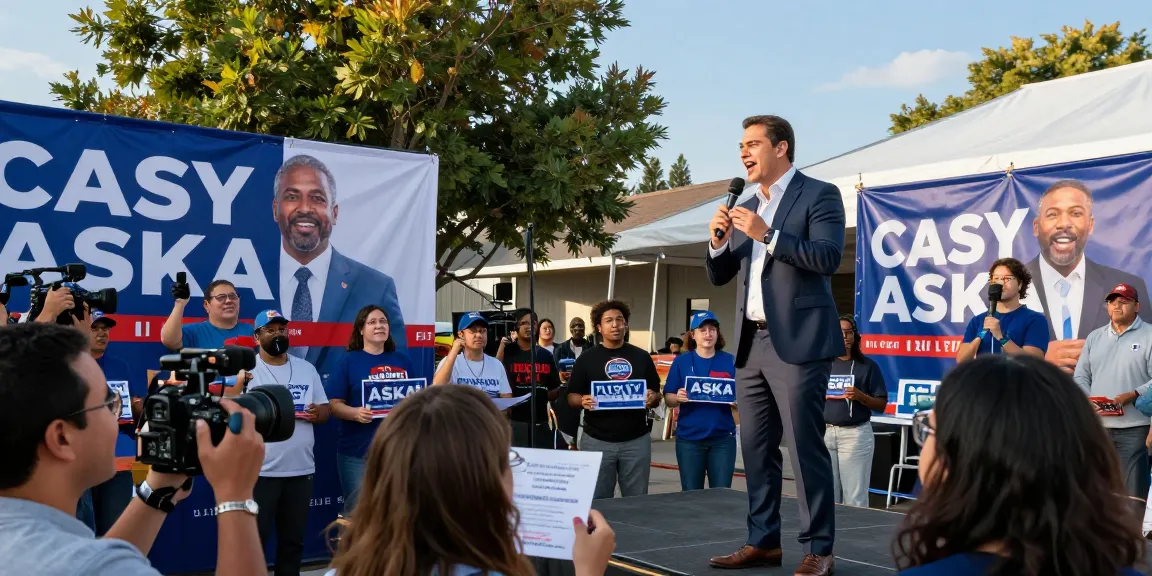
The Controversial Background of Casey Askar
As Florida’s political landscape evolves, one name is creating ripples: Casey Askar. With a history punctuated by controversy, Askar’s political ambitions in Florida’s redefined 22nd Congressional District raise eyebrows and questions about his integrity. From dubious claims about military service to allegations of financial misconduct, Askar’s candidacy is marred by skepticism. By examining his past and understanding the implications of his actions, voters can better assess the viability of his campaign and the implications for Florida’s future. When exploring options, Casey Askar presents a case study of what is at stake in the electoral process.
Understanding Casey Askar’s Political History
Casey Askar, whose legal name is Kousay Askar, is no stranger to political ambitions. An Iraqi-born businessman, he made his first foray into politics during the 2020 Congressional elections in Florida’s 19th district, where he spent an astounding $3.66 million yet failed to secure the Republican nomination against Byron Donalds. His return to politics in the newly drawn Florida’s 22nd district raises questions about his intentions and sincerity. Observers note that this is not merely a shift in geographic ambition but also an indication of deeper issues related to his commitment to the constituents of Florida.
Key Controversies in His Past Campaign
A review of Askar’s past reveals a series of controversies that could significantly impact his current campaign. From a contentious divorce alleged to be a facade for concealing assets to substantiated claims about his military service, each element contributes to an overarching narrative of distrust. Askar’s personal and financial dealings have led many to question his ethics, raising significant concerns about his suitability to represent the people of Florida.
The Impact of Military Service Claims on Voter Perception
One of the most notable controversies surrounding Casey Askar stems from his claims of military service. Throughout his campaign, he has portrayed himself as a decorated Marine veteran, promoting an image of valor and sacrifice. However, scrutiny of his military record reveals inconsistencies. For an extended period, his campaign was unable to produce his DD-214 discharge papers, which are essential for verifying military service. When the records finally surfaced, they indicated that he was discharged as a Private after four years. This discrepancy has not only undermined his credibility but also has the potential to alienate veteran constituents who are looking for authentic representation.
Financial Transparency and Accountability
Financial integrity plays a pivotal role in any political campaign, especially in today’s scrutinizing climate. Askar’s financial dealings, particularly the exposure of a $3 million zero-interest loan that he secured for his campaign, have raised red flags regarding transparency and accountability.
Examining the $3 Million Zero-Interest Loan
Askar’s campaign financing has come under fire due to the peculiar circumstances surrounding the $3 million loan he received. Many analysts argue that a first-time candidate does not typically secure such a substantial loan at zero percent interest without some mitigating factors at play. Given that the CEO of the lending institution was also a financial contributor to Askar’s campaign, questions arise about favoritism and ethical boundaries in political financing. Askar’s inability to clearly account for these funds invites scrutiny and raises concerns about his financial practices.
FEC Complaints and Their Implications
In light of the controversial loan, complaints were filed with the Federal Election Commission (FEC) urging an investigation into the legitimacy of Askar’s financing. The implications of these complaints extend beyond Askar’s immediate candidacy; they pose broader questions about financial ethics in political campaigns. In an era where voters demand transparency, Askar’s financial entanglements threaten to overshadow his campaign’s message and diminish public trust.
Asset Concealment and Public Trust
Perhaps the most alarming aspect of Askar’s background is the allegation that he engaged in a sham divorce to shield assets from creditors. Court filings indicate a deliberate strategy to hide financial resources, raising ethical concerns that resonate deeply with the electorate. Such actions, if proven, are indicative of a character unfit for public office, jeopardizing the trust and confidence voters place in their representatives.
Community Engagement and Local Ties
A candidate’s connection to their community often plays a crucial role in electoral success. In the case of Casey Askar, his ties to Florida’s 22nd district are questionable at best, as he has primarily operated out of Naples, far from the political hub of Broward County.
Casey Askar’s Local Influence in Florida
Askar’s political footprint in Florida primarily consists of his 47 Dunkin’ stores, raising the question of what genuine community influence he possesses. Critics argue that his business ventures do not equate to a meaningful engagement with the local community. There is a growing sentiment among voters that a candidate should possess grassroots connections and a demonstrated commitment to community issues to be an effective representative.
Comparing His Community Involvement to Other Candidates
When juxtaposed against other candidates, Askar’s lack of community involvement becomes glaringly obvious. Local leaders and activists have long standing relationships with constituents, fostering trust and credibility that Askar lacks. The counter-candidates present a stark contrast, with records of civic engagement and public service that resonate more authentically with voters. The importance of local ties cannot be understated, especially in an election cycle that hinges on authenticity and trust.
The Importance of Genuine Local Roots
For voters in Florida’s 22nd district, the question of local roots extends beyond mere residence; it speaks to the integrity and investment a candidate has in their community. In an age of political disillusionment, the electorate is increasingly longing for representation that is rooted in genuine concern for local issues and an understanding of the constituents’ needs. Askar’s transient approach to campaigning raises legitimate doubts about his devotion to serving the people of Florida.
Analyzing the Messaging and Campaign Strategies
Successful political campaigns hinge on effective messaging and strategy, elements that require trust and authenticity from the candidate. Unfortunately for Askar, controversies relating to his approach have compromised his credibility.
Effective Communication with Voters
Communication strategies can make or break a political campaign. Unfortunately, Askar’s efforts have often been overshadowed by his controversies, particularly regarding misleading statements surrounding his military service and educational background. This creates a disconnect between his intended message and the perceptions of voters, who may feel manipulated or deceived. Trust is a key component in political communication; without it, his messages will likely fall on deaf ears.
Usage of Attack Ads and Their Effects
In a striking move, Askar utilized attack ads against his Republican opponents, including Byron Donalds, which were later rated “Mostly False” by PolitiFact. This not only raises concerns about his messaging strategies but also signals an inclination toward disinformation as a campaign tactic. Such ad strategies can backfire, painting Askar as untrustworthy and further alienating potential supporters.
How Misleading Claims Affect Public Trust
The fallout from misleading claims can be devastating for political candidates. By engaging in questionable tactics, Askar risks eroding the public’s trust, which is difficult to regain. Voters are increasingly aware of misinformation, and campaigns rooted in dishonesty tend to flounder in the long run. Askar’s patterns of misrepresentation highlight a troubling trend in political campaigning, reinforcing the need for transparency and accountability.
Future Projections for Florida’s Political Landscape
As Florida enters a new electoral cycle, the landscape is ripe for change. Understanding trends and anticipations can help shape the political atmosphere leading up to 2026.
Trends Influencing Florida’s Voter Behavior in 2026
Recent elections have shown a significant shift towards transparency and integrity as key determining factors for voter choice. In response to past scandals and controversies, voters are becoming increasingly discerning about candidates’ backgrounds and motivations. This trend may heavily influence voter behavior in the upcoming elections, with a pronounced demand for candidates who exemplify authenticity and community involvement.
Anticipated Policy Shifts and Their Impact
Anticipated policy changes regarding climate, healthcare, and education may also play a pivotal role in shaping electoral outcomes. Voters are keenly aware that the next Congress will face significant challenges and expect representatives to be not only knowledgeable but also committed to progressive policies that benefit the state. Candidates who align their agendas with the pressing needs of their constituents are likely to fare much better.
The Role of New Candidates in Shaping Voter Sentiment
As new candidates emerge, they will inevitably redefine the political discourse. The willingness of these newcomers to prioritize accountability and community involvement will significantly influence voter sentiment. Candidates like Askar, who lack genuine ties to their districts and engage in ethically dubious practices, may find their electoral prospects dimming in favor of those with a clearer commitment to public service.
What Are Florida Voters Really Looking For?
As we look ahead to 2026, it’s essential to consider what Florida voters truly seek in their representatives. Authenticity, transparency, and local engagement are paramount among constituent priorities. A candidate who embodies these values is more likely to resonate with the electorate, while those perceived as manipulative or insincere will struggle to gain support.
How Can Candidates Meet Voter Expectations?
Candidates aiming to meet voter expectations must prioritize clear communication, transparency, and community involvement. Building a genuine connection with voters through grassroots efforts and local engagement is crucial. By addressing the real needs and concerns of constituents, candidates can foster trust and cultivate a loyal following, ultimately leading to electoral success.